Important Tips for Practical Vehicle Maintenance: Reduce Hours and Finances
Locating budget-friendly car maintenance can be a challenging task for many car owners. With multiple choices available, it is essential to tackle the procedure strategically. By investigating neighborhood repair shops and comprehending car upkeep requirements, people can prevent needless costs. There are also methods to tackle minor issues on their own. However, the journey doesn't end there; examining additional cost-saving methods can lead to additional financial benefits. What approaches might be worth considering next?
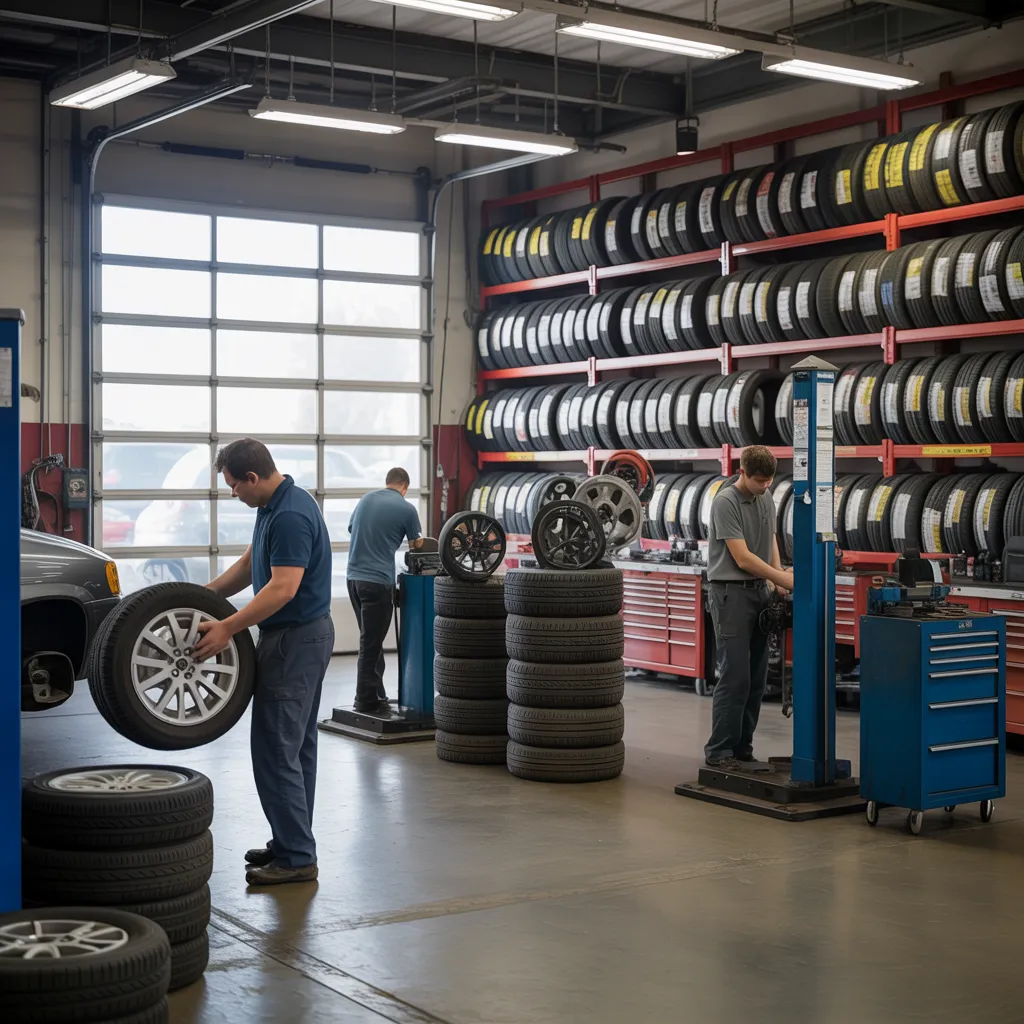
Search and Analyze Neighborhood Technicians
When pursuing inexpensive auto repair, it is important to analyze and contrast local mechanics to guarantee the best value for service. A thorough analysis involves checking online reviews, ratings, and testimonials to assess the quality of service provided. Consumers should also inquire about the certifications and experience of the mechanics, as this can greatly influence the reliability of repairs.
Furthermore, getting estimates from multiple shops offers insight into the typical prices for particular services. This comparison helps to spot any excessively priced or suspiciously low prices. Moreover, meeting mechanics in person allows for a improved evaluation of their expertise and customer service, which are essential factors in building trust.
In the final analysis, devoted inquiry and assessment furnish vehicle owners to make informed decisions, securing they select a mechanic who offers both quality repairs and fair pricing, as a result saving money in the years ahead.
Discover your vehicle's upkeep requirements
How can car owners guarantee their vehicles remain in excellent condition? Understanding a car's maintenance needs is essential. Each vehicle comes with a maker's maintenance plan, stating when particular maintenance should be executed. This schedule generally contains oil changes, tire rotations, brake inspections, and fluid replacements. Following these recommendations helps avoid costly repairs down the line.
Additionally, owners should be cognizant of warning signs indicating potential issues, such as strange sounds or warning indicators. Frequently inspecting fluid levels, tyre inflation, and the state of belts and tubes can also extend a car's life expectancy.
Comprehending a car's maintenance needs establishes the basis for effective car care, while many small problems can be addressed through do-it-yourself repairs. For instance, tasks such as replacing wiper blades, swapping out air filters, or topping off fluids can be easily managed by car owners. DIY repairs not only save money on labor costs but also empower individuals to gain a deeper understanding of their vehicles.
Online materials, such as tutorial videos and forums, offer useful guidance for those unfamiliar with car maintenance. Basic tools, such as wrenches, screwdrivers, and pliers, are often adequate for these straightforward repairs. Additionally, performing consistent upkeep of minor issues can stop them from escalating into more substantial problems, ultimately extending the vehicle's lifespan. By adopting a DIY approach, car owners can effectively handle their maintenance needs while reducing expenses and enhancing their overall automotive knowledge.
Look for Discounts and Special Offers
What approaches can car owners employ to reduce spending on maintenance expenses? One effective approach is to seek out discounts and offers supplied by auto repair shops. Many businesses provide periodic discounts, customer rewards programs, or referral incentives that can greatly minimize maintenance expenses. Car owners should also copyright for communications or follow social media accounts of local repair shops, as these often highlight special offers.
In addition, employing online coupon resources can uncover limited-time offers that can be applied to repairs. Car owners may notice that some manufacturers or parts suppliers present rebates on specific services, which can further aid in cutting costs. By taking the time to examine and maintain awareness about existing promotions, car owners can conserve money while ensuring their vehicles stay in fine condition. Overall, being assertive in seeking discounts can provide to considerable savings on necessary auto repairs.
Maintain a Thorough Maintenance Log
Keeping a meticulous documentation of car servicing is important for car owners aiming to minimize maintenance bills. By logging every maintenance and work, owners can document the vehicle's history, detecting occurrences that may indicate underlying issues. This record provides a precious guide for mechanics, allowing choose wisely about necessary repairs and maintenance schedules.
Routine records including oil servicing, tire rotations, and brake assessments help guarantee that the automobile keeps in peak condition. Additionally, keeping a maintenance record can assist in warranty claims, as it demonstrates observance to the manufacturer's stipulated service intervals.
Furthermore, a detailed record can offer leverage when discussing repair prices, as it highlights proactive upkeep activities. Ultimately, maintaining an organized service log not only extends your car's lifespan but also empowers drivers to make wiser financial decisions regarding their vehicle repair needs.
Popular Questions Asked Regularly
What Methods Can Help Me Identify a Dependable Mechanic?
To determine a trustworthy technician, one should seek recommendations, read reviews, verify qualifications, and notice workshop tidiness. Engaging in open communication about costs and full article repairs also promotes openness and establishes confidence in the technician's work.
What Are Frequent Indicators My Car Needs Maintenance?
Common indicators a car needs repairs include strange sounds, warning lights on the dashboard, poor performance, fluid leaks, and changes in handling or braking. Addressing these issues promptly can prevent further damage and higher repair costs.
Should I Use Original Parts or Aftermarket Parts?
Using genuine components ensures compatibility and reliability, while aftermarket parts may offer budget benefits. The decision relies on individual taste, budget, and the particular fix, balancing future worth against immediate expenses for best decision-making.
What Should I Do to Navigate Conflicts With a Service Provider?
To manage disagreements with a service center, one should document all exchanges, gather evidence, and clearly communicate complaints. If essential, escalating the issue to supervisors or requesting mediation can help conclude conflicts effectively.
What Is the Typical Cost of Common Maintenance?
The typical expense of common auto maintenance fluctuates significantly. For instance, brake pad changes typically ranges from $150 to $300, while engine diagnostics may cost between $100 and $200, depending on the vehicle and location.